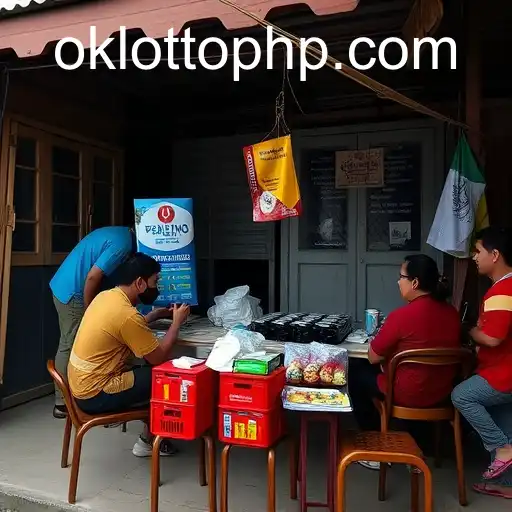
The Complex Landscape of Jueteng and the Intricacies of OKLOTTO
Understanding Jueteng as a Cultural Phenomenon
Jueteng, a numbers game deeply entrenched in the cultural fabric of some regions in the Philippines, manifests as both a recreational activity and a controversial issue. This game, characterized by its simple mechanics and widespread popularity, operates much like a grassroots lottery. Participants select numbers from 1 to 37, hoping their chosen digits will be drawn by bet collectors. The allure of instant wealth attracts many, despite its illegal status in the country. The societal ramifications of Jueteng are profound, as it not only influences local economies but has historically shaped political landscapes.
The Influence of Jueteng on Local Economies
In many communities, Jueteng is not just a game—it is an economic lifeline. It provides employment to thousands, from bet collectors to staff running the operations. Despite its illegality, its integration into daily life makes regulating or eradicating the activity challenging. The ripple effect of Jueteng encompasses numerous sectors, sometimes leading to inflated perceptions of its benefit due to the short-term economic boost it can provide. However, its broader implications, including potential links to corruption and the diversion of otherwise taxable income, paint a more complex picture.
The Role of OKLOTTO in the Current Landscape
OKLOTTO emerges as a modern counterpart to games like Jueteng, positioned within a legal framework that aims to offer an alternative to illegal gambling. This government-backed initiative seeks to channel the public's appetite for numbers games into a more regulated and transparent sphere. The objective is clear: reduce the prevalence of illegal betting operations by providing a legitimate, structured gaming option. By doing so, authorities hope to reclaim potential revenue lost to Jueteng while safeguarding players through standard regulations.
Comparing Jueteng and OKLOTTO
While Jueteng operates under a cloak of secrecy, depending on informal networks for its continuation, OKLOTTO represents an organized, transparent system. Adhering to legal standards, OKLOTTO promises fair play through verifiable processes and publicly sanctioned draws. Participants in OKLOTTO enjoy certain protections absent in Jueteng, such as assured prize distribution and regulated odds. Nevertheless, the transition from a deeply rooted informal game like Jueteng to a structured option like OKLOTTO is fraught with challenges, not least of which is overcoming the ingrained trust and tradition associated with Jueteng.
Impact on Society and Culture
The persistence of Jueteng highlights the difficulties inherent in eradicating a game so intertwined with cultural identity. Its continued existence underscores the socioeconomic divides that prompt individuals to seek quick financial gains when other opportunities are limited. In contrast, OKLOTTO's appeal lies in its promise of change—offering an option that could potentially reinforce community investment through revenue redirection to public projects. However, the challenge remains in persuading individuals to shift their loyalties and trust from a familiar, albeit illegal, system to a new legal framework.
The Political Dimension
Historically, the operations of Jueteng have often been interwoven with local and national politics. It's a game that extends beyond mere numbers, wielding substantial influence in political maneuverings. For decades, accusations of politicians benefiting from Jueteng operations have surfaced, suggesting that the game's financial windfall is often funneled into campaign coffers or personal gain. Conversely, initiatives like OKLOTTO aim to be free from such entanglements by instituting strict oversight aimed at preventing political meddling and ensuring that funds are allocated as intended for societal benefit.
The Future of Jueteng and OKLOTTO
As the nation grapples with the dual existence of Jueteng and OKLOTTO, the future remains uncertain. Efforts to curtail Jueteng have historically been met with limited success, often prompting varied responses from stricter enforcement to more lenient regulatory approaches. OKLOTTO's challenge lies in maintaining transparency and trustworthiness, demonstrating that the legalized path can be lucrative not just for individuals but for society at large.
Conclusion Without Predictive Statements
The juxtaposition of Jueteng and OKLOTTO presents a compelling narrative of tradition versus modernization in the realm of gambling. It remains a reflection of broader themes encompassing legality, cultural heritage, and economic opportunity. As these narratives unfold, their impact will be watched closely by both advocates for change and defenders of tradition.